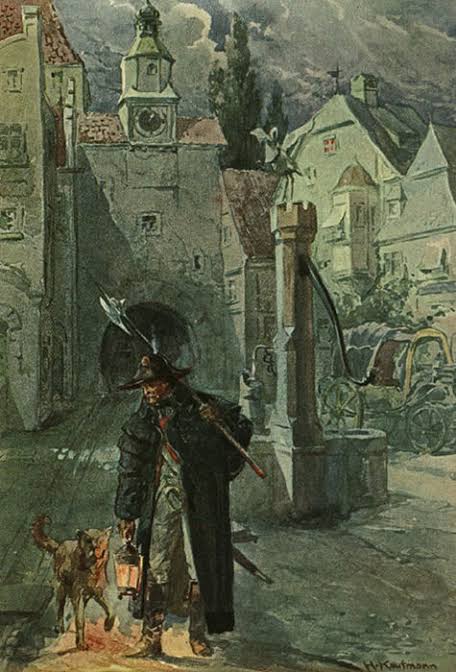
Der Hund im Bett

Des nachts, wenn endlich Schlafenszeit,
macht sich der Hundekumpel breit
dort wo, quer unten auf dem Bette,
ich gerne meine Beine hätte.

Er japst in seinem Hundetraum;
ich brauche für die Beine Raum
und versuche mich zu strecken –
doch der Hund liegt auf den Decken
unter denen sonst sein Halter
ruht. Von draußen weht ein kalter 

Wind hinein ins Schlafgemach.
Ich bin müde, aber wach
und stelle fest, mit leichtem Grollen:
Ich muss mich auf die Seite rollen,
Und meine Beine  so verbiegen
dass sie auf Bettes Kante liegen,

Halb auf dem Holz, dem unbequemen – 
jetzt ist ein Seufzer zu vernehmen.
Danach ein zweiter, doppelt schwer,
die Pfoten zucken hin und her.
Er schnauft, bevor er, halb erwacht,
es sich erneut gemütlich macht.

Sogleich schläft er dann wieder ein 
Mit seinem Kopf auf meinem Bein.
Jetzt darf ich mich noch nicht mal rühren 
Um meinen Fellfreund nicht zu stören.

So bringt ein Hund, obwohl ganz brav
Sein Herrchen oftmals um den Schlaf.
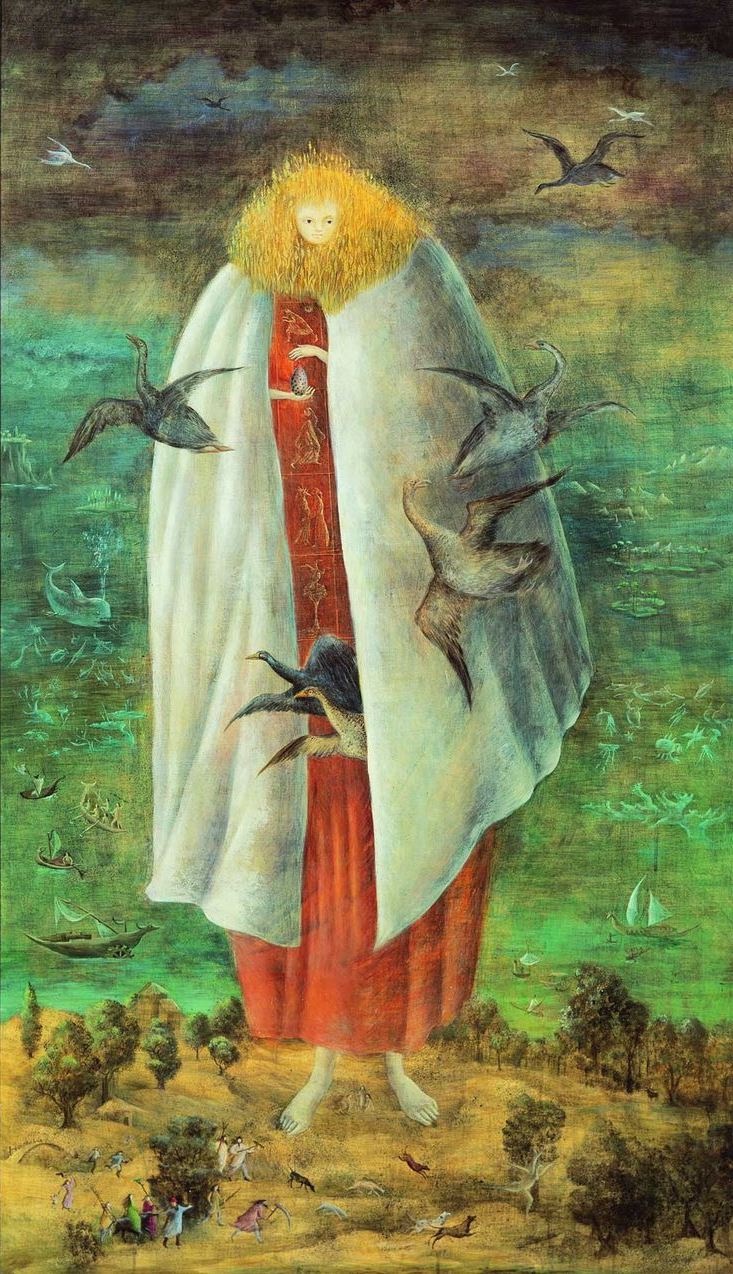
Erster und zweiter Schlaf

Once, men and women did not sleep as we do now. The notion of “eight hours straight” was foreign. In the Middle Ages, the night unfolded in two distinct breaths: the first sleep and the second sleep.

As the sun dipped below the horizon and the sky turned to dark velvet, people would retire early, surrendering to the hush of night. After four or five hours, their eyes would open—not from anxiety or disruption, but from rhythm. This pause in the night was a quiet, secret world.

By candlelight, they prayed, leafed through worn books, or sipped spiced wine. Some crossed the street to knock on a neighbor’s door, while others lingered in the kitchen, telling stories to their children, hands wrapped around warm cups. It was the heart of the night, and yet life moved gently—intimate, unhurried, profound.

When the invisible clock of darkness signaled, they returned to bed. The second sleep carried them to dawn, when the rooster’s crow marked the beginning of the day.

For centuries, this was the rhythm of rest—recorded in diaries, stories, even medical manuals. But the 19th century arrived with street lamps, factories, and the clamor of urban life. The middle hours of the night lost their enchantment, and people began to sleep “all in one go.”

By the 20th century, the memory of segmented sleep had faded. What was once a natural rhythm became misunderstood. Today, we might call it insomnia.

Then… it was simply the most human way to live in harmony with the night.